America + World · Feature
Four Americans, one English promotion project
Middlesbrough's growing U.S. group is not proof of a grand strategy. It is a revealing test of what one ambitious English club sees in American-developed players.
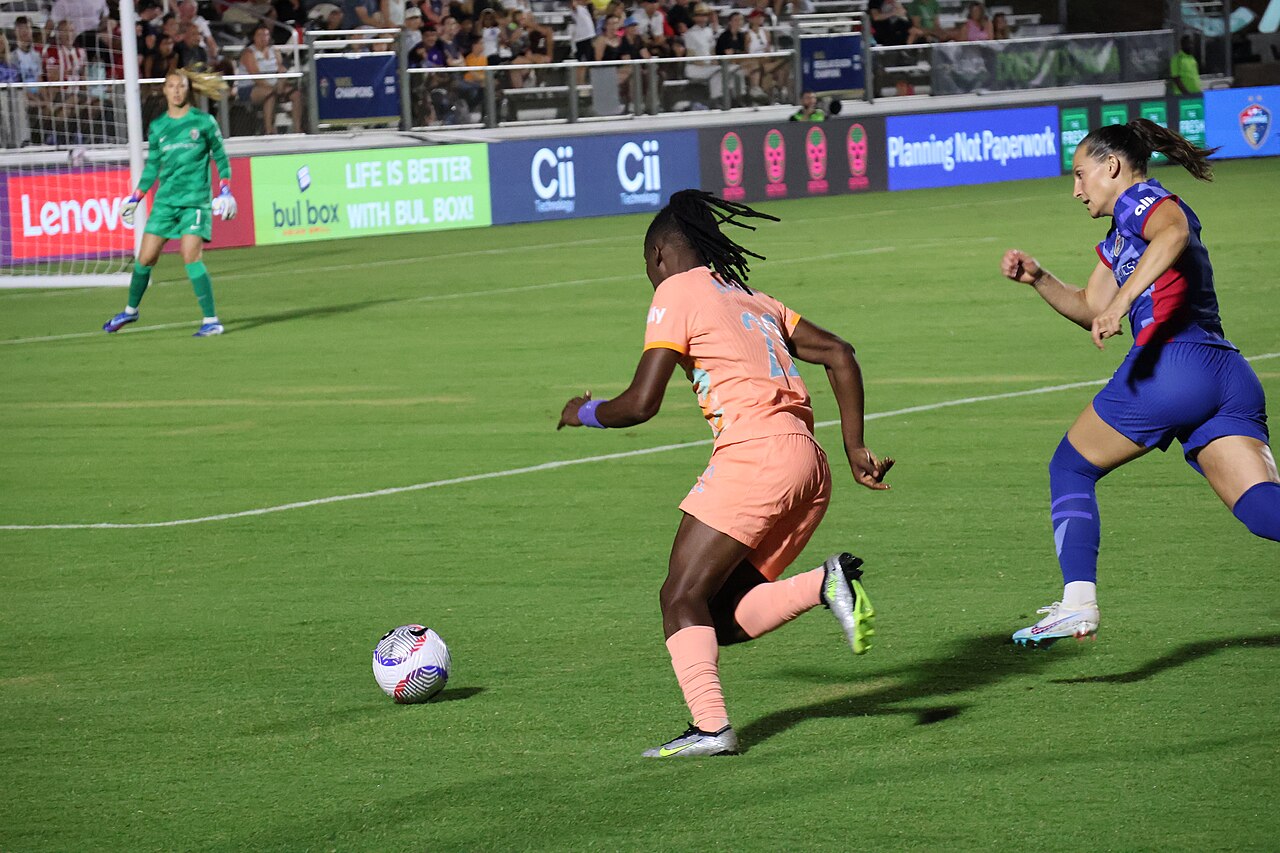
Photo: Bryan Berlin / WikiPortraits · CC BY-SA 4.0 · Cropped and placed on a black field for GEN SOCCER.
Four American players now share a dressing room in northeast England. Rokas Pukštas became the latest to join Middlesbrough on August 31, following Aidan Morris, Sebastian Berhalter and Max Arfsten into a club trying to turn promotion ambition into a Premier League place.
The number is immediately striking. The more useful question is what connects the players beyond nationality. Four signings do not, by themselves, prove that Middlesbrough has adopted a formal American recruitment strategy. They do create a live case study in how an English Championship club evaluates players formed in and around the U.S. game.
Four routes, not one pathway
The group resists an easy development narrative. Morris came through the Columbus Crew academy, played college soccer at Indiana and returned to become an MLS Cup winner before moving to Middlesbrough in 2024. Berhalter began with Columbus, spent time on loan with Austin and established himself in Vancouver before his July transfer. Arfsten arrived in MLS through the SuperDraft after college and lower-division experience, then expanded from an attacking role into a dynamic left-sided player for Columbus and the national team.
Pukštas followed a more international route. Born in Stillwater, Oklahoma, he left the United States as a teenager and developed in Croatia with Hajduk Split. U.S. Soccer reported that he joined Middlesbrough after 24 goals in 113 appearances for Hajduk. His five-year contract gives the club time to develop value as well as performance.
Those backgrounds matter because they complicate the idea of an American player type. One is a homegrown midfielder. One built his senior career across multiple MLS clubs. One emerged through college, the draft and tactical reinvention. One developed primarily in Europe. Middlesbrough has collected different versions of American soccer rather than a single pipeline.
What the club may be buying
There are visible sporting reasons for the cluster. Morris and Berhalter offer central-midfield work, range and competitive experience. Arfsten provides pace and positional flexibility on the left. Pukštas adds size, timing in the penalty area and experience in a demanding European club environment. All four are young enough to improve and experienced enough to compete for senior minutes.
Familiarity also reduces some of the uncertainty that follows an international move. Morris and Berhalter were childhood friends and former Columbus teammates. Morris and Arfsten won MLS Cup together in 2023. Middlesbrough has already produced a club video series around the American group, and head coach Kim Hellberg has publicly noted the value of players hearing directly from friends who are already inside the club.
That does not mean the signings were made for chemistry or marketing. The available public record points first to football decisions. There is no evidence that four Americans were assembled as a commercial campaign, and GEN SOCCER is not treating nationality as a substitute for scouting. The pattern is interesting precisely because each player still has to justify a place on performance.
A test for the American game
For U.S. soccer, Middlesbrough offers a concentrated test. Can players with MLS, college, academy and European-development backgrounds adapt to the Championship's speed, schedule and promotion pressure? Can their versatility become a genuine competitive advantage rather than a reason to move between roles? Can a club identify value in American-developed players before the market fully prices it in?
The answers will come through minutes, roles and results, not through the novelty of a four-player group. Morris is the established reference point. Berhalter and Arfsten now have to translate strong North American seasons into a new league. Pukštas must turn experience in Croatia into influence in England. Their progress should be judged individually before it is used to make claims about an entire development system.
Still, the cluster is worth following. American players abroad are often covered as isolated transfers. Middlesbrough has created something more legible: one club, one competitive objective and four different development histories meeting in the same project.
Middlesbrough has collected different versions of American soccer rather than a single pipeline.
Editorial note
This analysis is based on public club and federation information. GEN SOCCER has not attributed an overarching recruitment strategy to Middlesbrough without direct confirmation from the club.Sources and further reading
- Middlesbrough FC: Boro sign Rokas Pukštas
- Middlesbrough FC: Sebastian Berhalter joins Boro
- Columbus Crew: Max Arfsten transferred to Middlesbrough
- Columbus Crew: Aidan Morris transferred to Middlesbrough
- Vancouver Whitecaps: Sebastian Berhalter transferred to Middlesbrough
- U.S. Soccer weekly recap, August 31, 2026
Continue reading